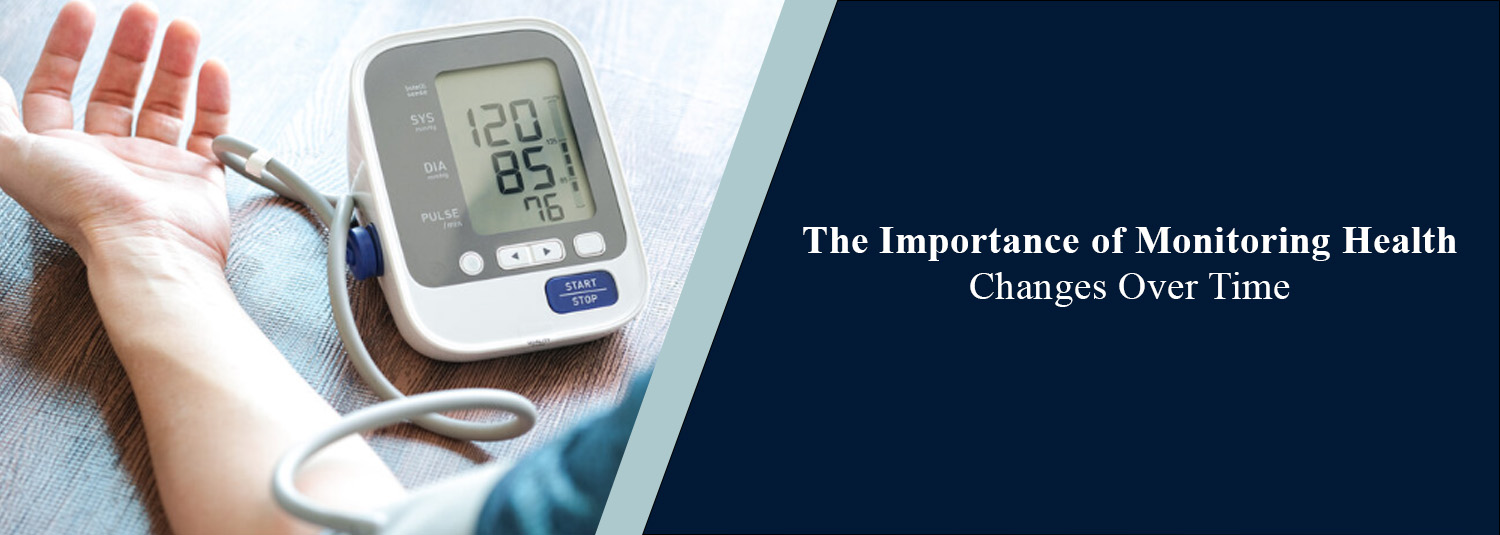
Health is not a constant entity. It can change over time for a number of reasons, including age, lifestyle, family history, the environment, health issues, and others. A healthy person can feel healthy, but something about health indicators could be slowly changing. That is why it's important to keep track of your health changes over time in order to provide you with preventive healthcare.
Widespread health check-ups and suitable diagnostic tests can be used to build a better picture of people's health. Having access to historical health information can also be valuable for health professionals to determine if parameters are stable, worsening, or improving over time, as well as to help determine if further investigation is needed. This is enabled by the diagnostic services offered at Molecular Diagnostics and Therapy, which further facilitate health monitoring based on information.
Why Monitoring Health Over Time Matters
One health check indicates a health check at a particular moment. Sometimes, trends in health may be more relevant than an individual result, however. Health information collected can be compared to previous results and used to sort out any important change with regular monitoring. Not all changes by themselves are health issues. Test results may differ and must be analyzed based on the entire clinical situation and general health of the person.
Early Identification of Potential Health Concerns
Sometimes chronic disease processes can begin to take place without signs and symptoms being discernible initially. Information may be detected by regular and appropriate monitoring that may change before being manifested. If a result is outside the normal range, then it may need to be repeated, further tests may be required, or the finding may be ignored. Evaluating early can give the opportunity to learn about a possible issue before it gets more involved.
Monitoring Existing Health Conditions
Currently available health conditions are monitored. Current health conditions are monitored.
If you are already diagnosed with a health problem, frequent monitoring can be a significant component of your management. Special tests may be ordered to help determine if the condition is getting worse, if the treatment has been effective, and to gain up-to-date information about how the condition is evolving. Monitoring may differ in both frequency and type according to condition and the particulars of the case. Adhering to a plan provided by the knowledgeable health care provider can help ensure continuity of care.
Understanding Health Trends
If a medical report has been done on the same patient previously, it makes identifying trends easier. For instance, by carrying out comparisons over time, it is possible to observe if a health parameter is either relatively constant or altered over time. Health records may also serve as a valuable resource in future consultations. Reports that are organized enable healthcare experts to study past findings along with recent information instead of using just recent results.
The Role of Diagnostic Testing
Diagnostic testing offers quantifiable data related to various fields of health. Laboratory tests, urinalysis, imaging, molecular testing, or other tests may be recommended based on individual needs. If additional evaluation of the patient is indicated, modern diagnostic technologies can offer detailed information. Molecular Diagnostics and Therapy provides diagnostic testing that can complement health evaluations and continuous management based on each patient's specific healthcare needs.
Monitoring Can Support Preventive Healthcare
Preventive healthcare does not necessarily mean reacting when symptoms are seen. This also includes giving attention to health by utilizing proper health checks and screening. Through monitoring, people can become familiar with the state of their health and make adjustments if they choose in consultation with a health care practitioner. Continuous monitoring can be integrated into a prolonged health care management program in combination with healthy lifestyles and appropriate preventive care.
Family History and Personal Risk Factors
It may be especially relevant to people who have some personal or family risk factors. Medical history (family) may affect screening or monitoring that a health professional might recommend.
There are other personal factors such as lifestyle, medical history, previous illnesses, and experiences that can also impact the need for healthcare. The preventive monitoring approach should therefore not be a "one-size-fits-all" approach.
Monitoring Does Not Mean Unnecessary Testing
Regular health monitoring does not involve performing all the tests that are available to the test taker. Unnecessary testing may result in confusion and may not yield useful information.
Rather, tests should be conducted based on suitable health care suggestions. The qualified professional can decide on the relevant assessments by evaluating the symptoms, age, medical history, risk factors, previous exams, and more.
Making Health Monitoring a Routine
Health monitoring can be more effective if a record is kept of health reports, if recommended health checkups are undertaken, if the changes are discussed with health care professionals, and if appropriate screening schedules are adhered to. It is also important to notice any unusual or chronic health changes and to get a professional opinion, not make a diagnosis on their own. Conceptualizing health care and enhanced monitoring together is more effective.
Conclusion
Surveillance of health over time can be valuable for providing information about an individual's overall health. Comparing relevant health evaluations and diagnostic test findings with other time points helps identify changes, monitor actual conditions, and facilitates preventive health care. Always tailor the approach to health monitoring to the individual and their professional advice. People can seek a better understanding of their health with the support of Molecular Diagnostics and Therapy engage in ensuring their health in the long term through monitoring.